Start here
Think about your everyday life first
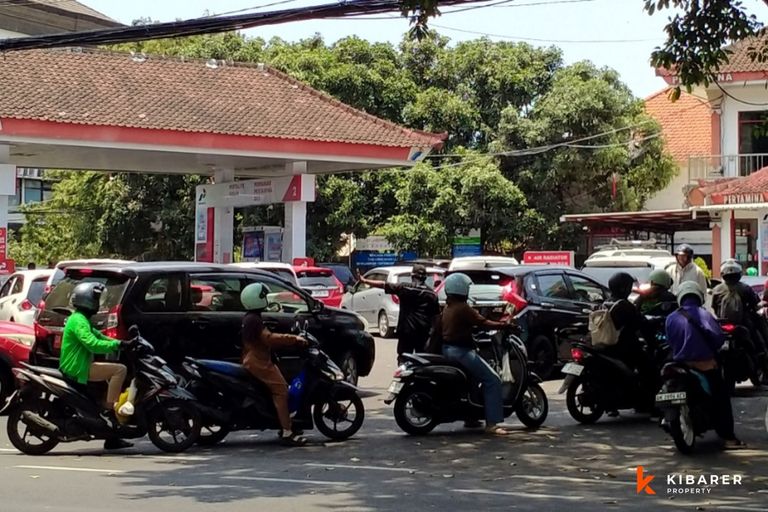
Bali feels different when you are living here rather than visiting. Before comparing properties, decide what an ordinary Tuesday should look like—not just your ideal weekend.
Where will you spend your day?
How do you want to get around?
What do you need nearby?
How long are you staying?
Explore the island
How do Bali's areas compare?
Each neighborhood has its own rhythm. Use these descriptions as starting points for your shortlist, not definitive rankings. Conditions can change from one street to the next.
Filter area comparisons
Tap a preference to show matching area cards.
Showing all 10 areas · Editorial comparisons, not rankings
Ubud / Tegallalang
Jungle and rice-field settings in many surrounding areas, with wellness, arts and cafés around central Ubud.
Check: Central traffic, road access, humidity and the route to daily essentials.
Canggu / Berawa
Beach access and a wide choice of dining, fitness and coworking businesses in popular pockets.
Check: Peak-hour congestion, construction nearby and actual journey times.
Seminyak / Kerobokan
An established mix of restaurants, retail, residential streets and commercial activity.
Check: Noise, parking and whether the specific street fits your routine.
Pererenan / Seseh
Coastal and village settings in parts, with cafés and newer development along some corridors.
Check: Nearby building work, road links and access to supermarkets or clinics.
Umalas
Residential pockets between larger dining and commercial hubs, with villas and local services.
Check: Which roads connect your home to school, work and daily errands.
Sanur
Seafront areas and established neighborhoods with restaurants, services and family-oriented facilities in parts.
Check: Walking routes and the distance between your home and the places you need.
Uluwatu / Bingin
Surf breaks, dramatic coastal scenery and a spread-out mix of residential and visitor areas.
Check: Hillside access, transport options and travel to groceries or medical care.
Jimbaran / Nusa Dua
A mix of residential communities, beaches, hotels and planned resort precincts, depending on the location.
Check: School and work routes, neighborhood rules and access to everyday services.
Tabanan / Cemagi
Village, rice-field and coastal landscapes in some pockets, with varying proximity to busier destinations.
Check: Travel times, flood and drainage conditions, and local services.
Denpasar
The island's urban center offers workplaces, local markets, hospitals and day-to-day services across many districts.
Check: Commute corridors, road noise and the character of the immediate neighborhood.
These are broad lifestyle descriptions, not measured suitability scores. Visit the actual street and inspect the individual property before deciding.
The practical comparison
What should you check before choosing an area?
Pick two or three neighborhoods and compare the same things in each one. An attractive villa is much less appealing if everyday journeys or services are inconvenient.
Everyday routes
Test a trip to work, school, groceries or the gym at the time you'd normally travel.
Street conditions
Look at road width, lighting, parking, walking access and ride-hailing pick-up points.
Noise & activity
Visit at different hours. Ask about venues, ceremonies and construction nearby.
Rain & drainage
Check the property approach and local drainage; ask about past water intrusion or flooding.
Services
Locate pharmacies, clinics, groceries, schools and other essentials you actually use.
The home itself
Confirm water supply, internet availability, maintenance arrangements and written rental or purchase terms.
Plan your relocation
Your moving to Bali checklist
Use this as a planning checklist rather than a legal requirements list. Specific rules vary by nationality, visa category, household and individual circumstances.
A simple relocation plan
Make the move less complicated
Practical steps to help you plan your relocation.
Stage 01
Before making a commitment
Check the right visa or stay permit for your plans
Confirm permitted activities, duration, application steps and current immigration rules through official channels or qualified advice.
Shortlist two or three areas
Compare commute routes, daily facilities and lifestyle before picking a neighborhood.
Plan your household needs
Think through healthcare, insurance, children’s education, pets, transport and any specialist needs.
Stage 02
Before paying for a home
Inspect the property and surrounding street
Check access, noise, drainage, Wi-Fi options, water supply and maintenance.
Understand the contract and upfront payments
Confirm rent frequency, deposit rules, inclusions, renewal terms and who handles repairs. For a leasehold acquisition, arrange proper legal due diligence.
Keep a practical arrival plan
Have temporary accommodation, transport and essential documents organized before you travel.
Stage 03
During your first weeks
Set up everyday connections
Arrange a mobile plan, confirm home internet and learn your local transport options, including Gojek or Grab where available.
Identify healthcare and emergency contacts
Find nearby clinics and hospitals, and check how to access your insurance provider.
Get to know the community
Learn local customs, respect neighborhood activities and build a workable weekly routine.
Where to stay
Finding the right home in Bali
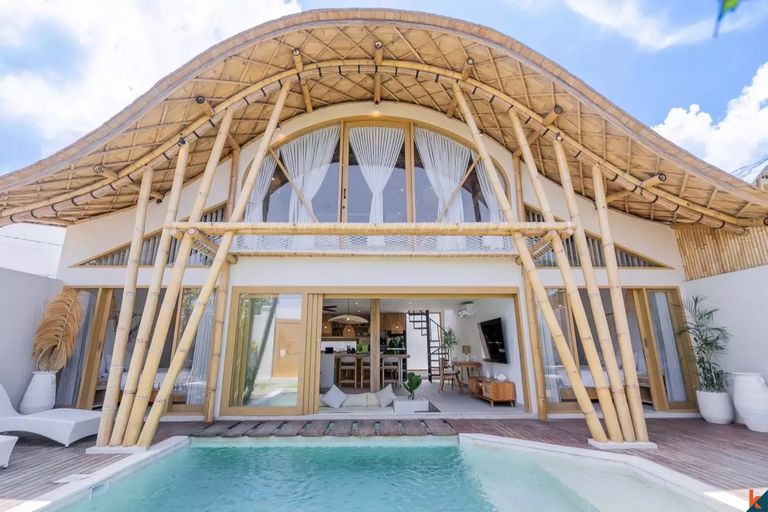
Start with the type of living arrangement that fits your plans. Property labels can be inconsistent—always judge the actual home, facilities and contract.
Room or guesthouse
Studio or apartment
Private house
Private villa
Rent first, or think longer-term?
For flexibility
Renting a home
For a longer plan
Exploring leasehold
A property listing's description is not a substitute for inspecting the home and verifying documents. Foreign property rights in Indonesia depend on the legal structure and applicable rules.
Settling in
Everyday life: what to prepare for
Transport
Some people use a scooter or car; others rely on private drivers or Gojek and Grab. Check service coverage and pick-up access, and confirm licensing and insurance requirements before driving.
Healthcare
Check nearby clinics and hospitals, your insurance coverage and emergency procedures. Specialist care may require travel to another area.
Connectivity
Test mobile reception and home internet at the actual property, especially if you work online. Don't assume a neighborhood-wide speed applies to every building.
Schooling
If moving with children, check school eligibility, curriculum, availability, transport routes and enrollment requirements before choosing a home.
Climate
Bali's tropical conditions mean humidity and heavy rain can affect homes and travel. Ask about ventilation, dampness and drainage.
Community
Respect local customs, ceremonies and community rules. Learning a little Indonesian and building relationships with neighbors can make everyday life smoother.
Avoid common problems
5 mistakes to avoid when moving to Bali
- 1
Choosing an area from holiday photos alone
Visit during an ordinary workday and see how the surroundings actually function. - 2
Judging distance without testing travel times
Road conditions and congestion can make a short journey unpredictable. - 3
Committing to a property without checking the details
Inspect maintenance, drainage, access, the neighborhood and all written terms. - 4
Assuming a visa allows any activity
Residence, business visits and employment can involve different requirements. Verify your particular situation. - 5
Forgetting the realities of daily living
Plan around schools, healthcare, utilities, local rules and transport—not just the property's appearance.
Frequently asked questions
Common questions about living in Bali
Find a home that fits your life in Bali
Once you've shortlisted your preferred areas, explore properties with a clearer idea of your location, home type and long-term plans.
This guide provides general planning information, not legal, immigration, financial or property advice. Requirements and local conditions may change. Verify details with relevant authorities and qualified professionals.